 Art Card Club
SMALL ART. BIG CONNECTIONS.
Artist Trading Card ideas for beginners
A small card is a good place to try a big idea. Start with a subject you like, a material you already have, and permission to experiment. These prompts are invitations, not patterns you need to copy.
1. Draw one everyday treasure
Choose a shell, feather, key, or favorite mug. Draw its outline first, then pick just three areas for shadow. The goal is to notice the object rather than fill every corner. Try the same subject again with a different crop.
2. Make a tiny color collection
Choose two colors and a neutral. Fill the card with overlapping circles, little tiles, or soft bands of color. Keep one area lighter so the eye has somewhere to rest. A limited palette makes several cards feel related without making them identical.
3. Give a snack a personality
Turn a strawberry into a traveler or a donut into a crown. Start with the recognizable shape of the food, then add one unexpected detail. Keeping the background simple helps the joke read at a small size.
4. Paint a place from memory
Think of a window view, a garden corner, or a favorite walk. Reduce it to a sky shape, a middle distance, and one foreground detail. You do not need architectural precision; a color or silhouette can hold the feeling of a place.
5. Invent a creature in two halves
Sketch a line down the center of the card and build a face on either side. Repeat the eyes and larger shapes, then let small details differ. A dragon, cat, or imaginary insect is a playful way to explore symmetry.
6. Build a collage from your own scraps
Use leftover pieces of your own drawings, painted paper, and textures. Choose one large shape, two supporting shapes, and a small accent. Arrange them before gluing. If you plan to share a digital version, use imagery you created or have permission to use.
7. Tell a story with light
Draw a simple silhouette against a bright moon, window, or candle. Decide where the brightest point belongs before adding details. Try a companion card that shows the same scene at a different time of day.
8. Make a three-card series
Pick one idea from this list and change one thing on each card: season, color, viewpoint, or mood. A series gives you a direction without requiring a completely new idea every time. Name the cards together when you are finished.
Keep the small format readable
View your work at its actual card size while you make it. If the subject disappears, simplify the background or increase contrast around the main shape. Leave enough room for the detail you care about most.
For a digital record, photograph the card straight on in even light and avoid glare. Keep the original file, and check that the edges and colors are represented faithfully.
Find inspiration without copying
The gallery below contains existing digital cards from the test collection. These images are AI-generated artwork in the named visual styles; style labels do not mean they were physically made with those materials. Use their subjects and compositions as starting points for your own ideas.
From the Art Card Club test collection
Explore six cards credited to Zachary Kaplan, across four collections. These sample cards use AI-generated art; the labels describe visual styles, not physical materials. The Alpha is not yet open to the public.
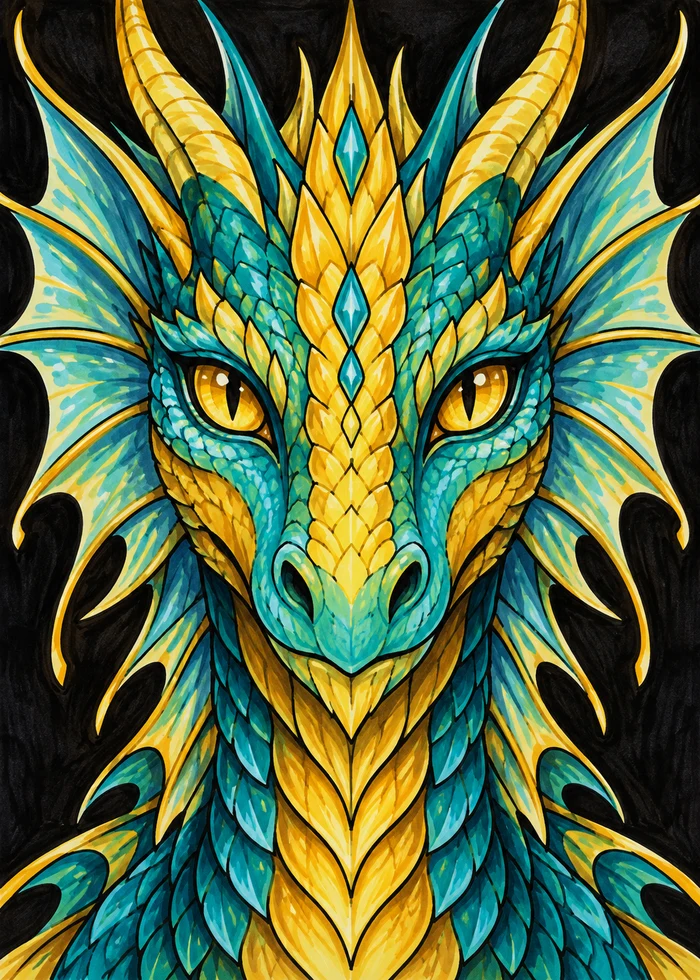
Citrine & Lagoon
A turquoise and gold dragon face built around bold, mirrored shapes.

Empire Slice
A gooey pizza slice takes center stage in a colorful city pizzeria.
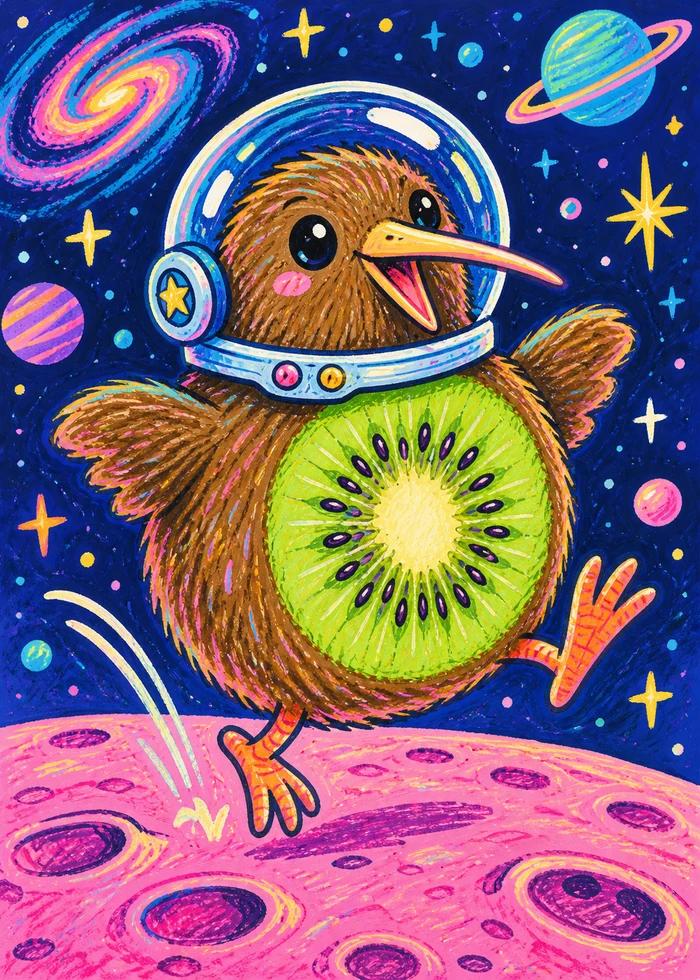
Kiwi the Kiwi Astronaut
A kiwi bird carries a slice of kiwi into a bright, playful outer space.

The Sprinkle Queen
Donut-shaped glasses turn a fashion portrait into a sprinkle-filled collage.
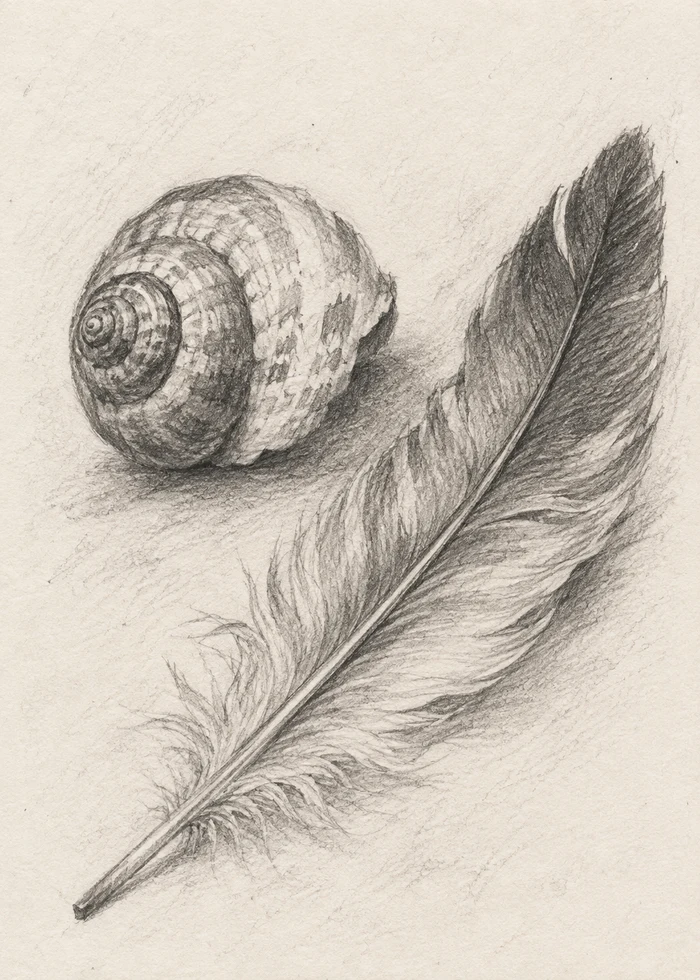
Shell and Feather
A shell and feather share a quiet composition of soft lines and shadows.
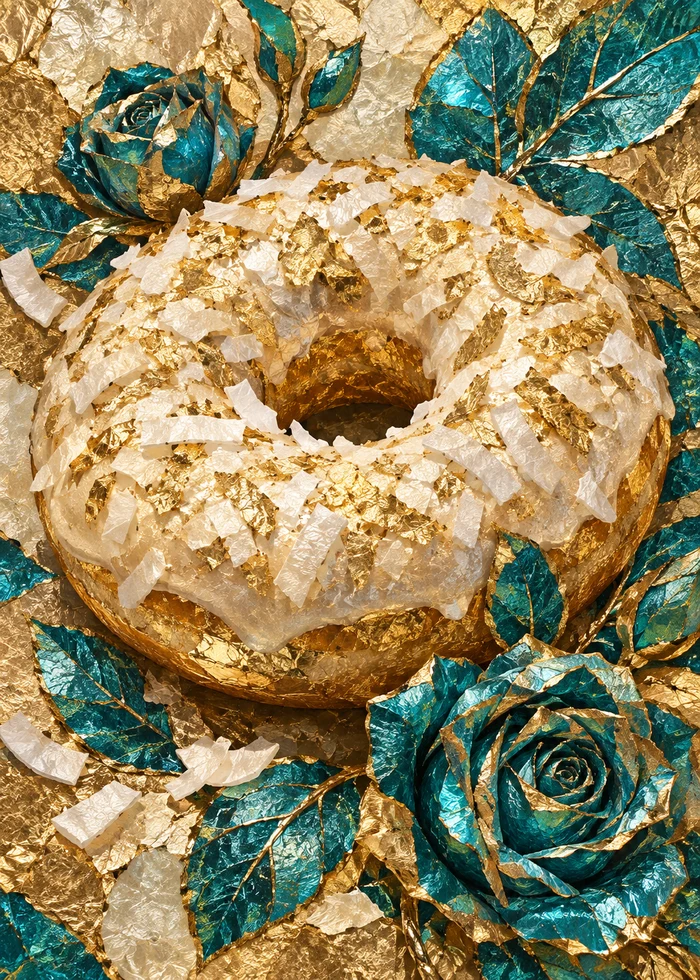
Opal Coconut Crown
A coconut donut sits among turquoise and gold, with a jewel-like finish.
OPEN A LITTLE WONDER
Want to see what’s next?
Join the waitlist for launch news and a chance to try the limited Art Card Club Alpha. Invitations are not guaranteed; digital trading is still in development.
Join the Alpha Waitlist →